Simile from “Birches”
And life is too much like a pathless wood
Where your face burns and tickles with the cobwebs
Broken across it, and one eye is weeping
From a twig’s having lashed across it open (Frost, “Birches” 44-47).
“Birches” can be found here.
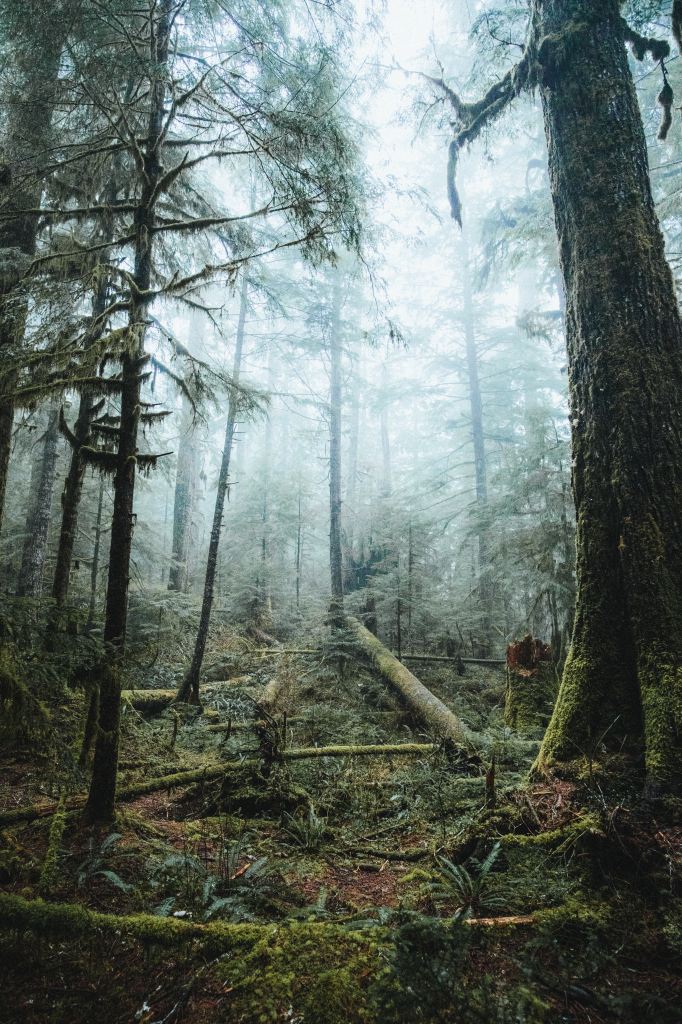
In this poem, Frost reminisces about swinging on the birch trees when he was young and carefree, and he wishes to briefly escape life’s pain and responsibilities (41-42). He uses this simile to describe how life feels pointless, like a “pathless wood,” and it can tear one apart like being scraped and scratched by branches (Frost 44, 47). These words suggest an extremely painful irritation, coupled with a sense of hopelessness. Life can often seem hopeless, and consequences from past actions can sometimes slap one in the face, blindsiding them, much like the twig lashing an eye. Because twigs and cobwebs bombarded the eye, it teared up, causing blurred vision and a sense of fogginess (Frost 45-46). This is also similar to how the future is full of unknowns, and it relates back to how Frost wants to escape to the simpler times of childhood, if only for a little while. This simile paints a picture of how Frost sometimes feels about his path in life, and it makes it easy for the reader to understand why he would want to get away from it for a bit.
Syntax from “Fire and Ice”
I think I know enough of hate
To say that for destruction ice
Is also great
And would suffice (Frost, “Fire and Ice” 6-9).
“Fire and Ice” can be found here.

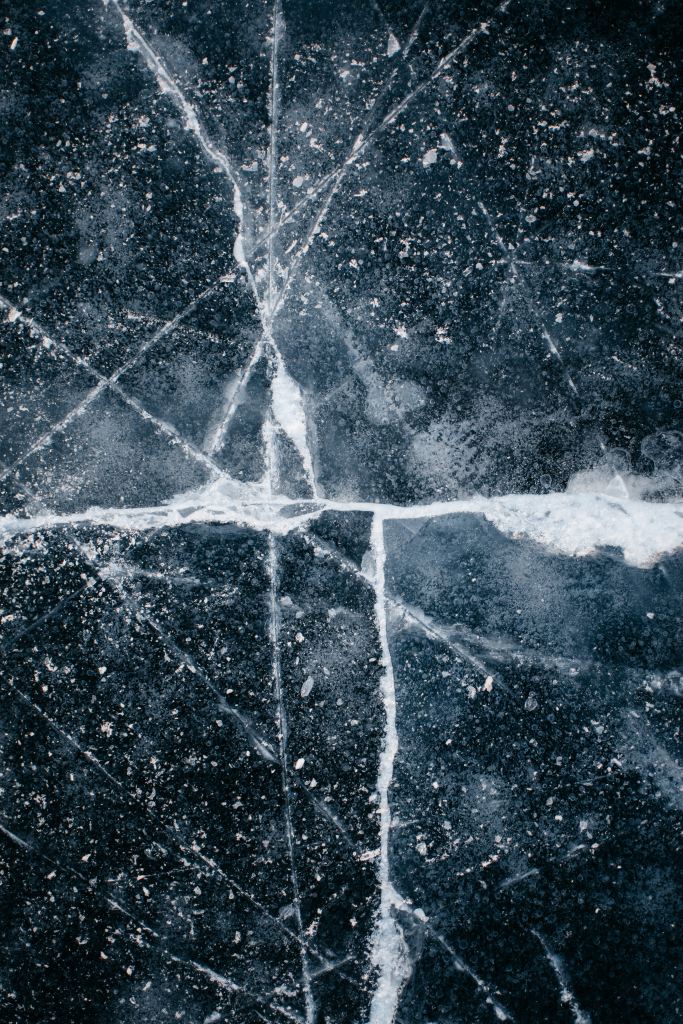
This poem is quite succinct, and through it, Frost conveys the contrast between ice and fire concerning the end of the world (Frost 1-2). Through his use of syntax, he purposefully isolates phrases to create a dramatic buildup into a vast understatement. In lines six and seven, Frost ramps up the tension, speaking of the massive potential for “destruction” that ice has. These phrases are longer and have unfinished ends, creating suspense. The word “ice” leaves one on the edge of their seat, waiting to experience the upheaval that ice causes; however, Frost does not follow up those suspenseful lines with a grand description of the end times (7). Instead, he ends the poem with two short, anticlimactic phrases. He believes that ice “is also great / And would suffice” (Frost 8-9). His use of syntax paired with the apathetic diction creates quite the understatement, making it seem like he does not care how the world will end. He knows both will do the job, so instead of using dramatic, flowery phrases, he employs short lines.
 Independent Poet Study: Robert Frost